
From 1 January 2030, only products with packaging that complies with the PPWR may be placed on the EU market. It sets the minimum recyclability performance at grade C, meaning at least 70% of the packaging mass must be made up of material that is recyclable in practice, and also requires verified recycled content for injection-moulded plastics, material and volume minimisation, and easy-to-separate components.
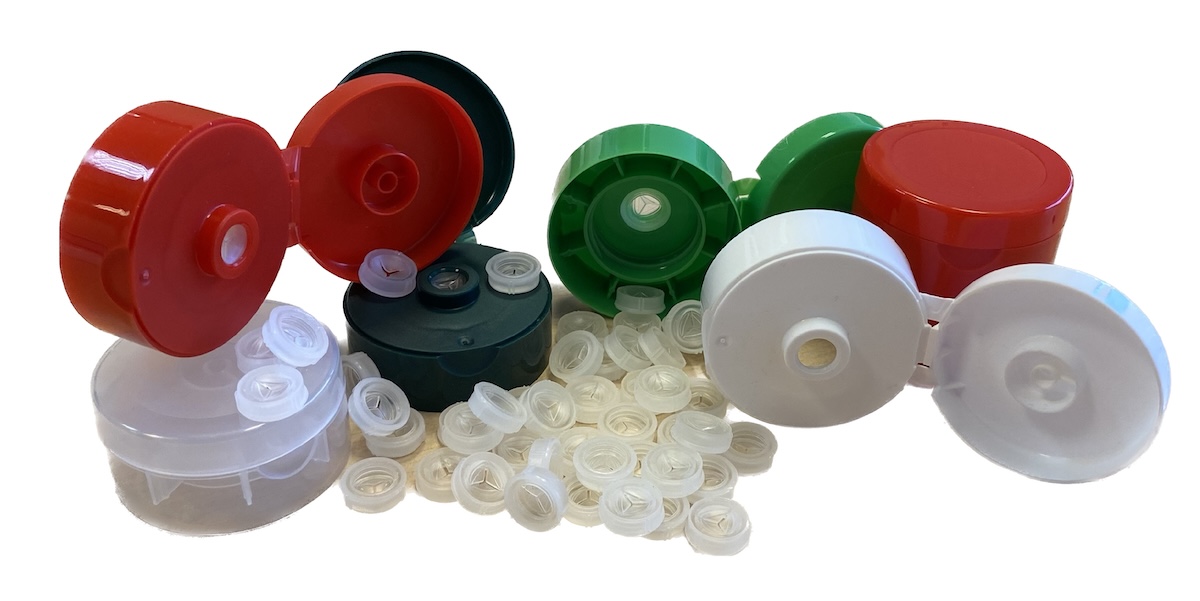
In this article we explain how to prepare for PPWR compliance, why it pays to start development now, and how this can turn into a competitive advantage by 2030.
What is PPWR, and why is it critical by 2030?
For decades, the European Union has worked to reduce packaging waste. This was previously addressed via the Packaging Directive (94/62/EC), which set a framework and targets, while leaving implementation details to Member States.
On 11 February 2025, however, the new Packaging and Packaging Waste Regulation (PPWR) entered into force, introducing binding requirements in several areas.
PPWR 2030 requirements – what must be achieved by then?
For the packaging industry, the key requirement is that from 1 January 2030, only products may be placed on the market within the European Union that meet the following guidelines / criteria:
- Only packaging that achieves performance grade C, i.e. at least 70% recyclability, may be used.
- By 2030, plastic packaging must contain a measurable, documented minimum level of recycled content.
- Packaging materials must be easy to separate to support recycling.
How can PPWR compliance be achieved for plastic packaging?
The PPWR supports the shift to a circular economy by driving higher recycling rates, and, in turn, greater use of recycled materials.
At Mikropakk, we started working towards these goals long before the PPWR was introduced. Over the past twenty years we have continuously developed packaging manufacturing technology and material use, and have supported this work with several proprietary patents.
We can therefore support PPWR compliance in several areas, including:
- Selecting and using modern recycled granulates.
- Optimising the mix of recycled and virgin materials.
- Developing mono-material packaging solutions.
- Replacing plastics with alternative materials, where appropriate.
Selecting modern recycled granulates
One of the keys to PPWR compliance is choosing the right recycled granulate. The concept is straightforward in theory, but its implementation is a complex engineering challenge.
In the late 2010s the need for large-scale plastic recycling emerged as part of sustainability and circular economy.At the time, though, even leading companies at the world’s most prestigious plastics trade fair, K, in Düsseldorf, could mostly present solely their concepts rather than proven solutions.
7-8 years later, it is fair to say that many of those concepts have become reality: high-quality recycled granules exist for different use cases, and we have practical experience using them in production.
Optimising the combination of virgin and recycled materials
When we talk about recycled plastics, it is important to understand that during recycling, polymer chains degrade, so the material’s physical, chemical and other properties do not match those of virgin material.
In our experience, a product made from recycled material can look viable on paper, yet fail in use: cracking, breaking, or warping.
In such cases, we typically separate the design into functional and non-functional parts. For the functional part, we use virgin material that meets the requirements, while the non-functional part can be made from recycled material.
We have applied this approach many times. In the case of one product, for instance, we were able to replace 75% of the raw material with recycled content – an even better result than what the 2030 requirements demand.
Mono-material packaging
This is primarily important regarding recyclability; if we use a single-base material, the packaging does not need to be separated into different components during recycling, and the waste can be processed as a single stream.
However, it can require significant development work, as the material grade has to be selected in a way that every part of the packaging meets all requirements.
It is important to add that, based on our current knowledge and the requirements imposed on products, even with major development work not every product can be manufactured from a single material. This is where multi-material solutions come into play.
Replacing plastic with multi-material solutions
While mono-material is the general direction, for certain specialised products, a combined material approach can deliver the best environmental performance.
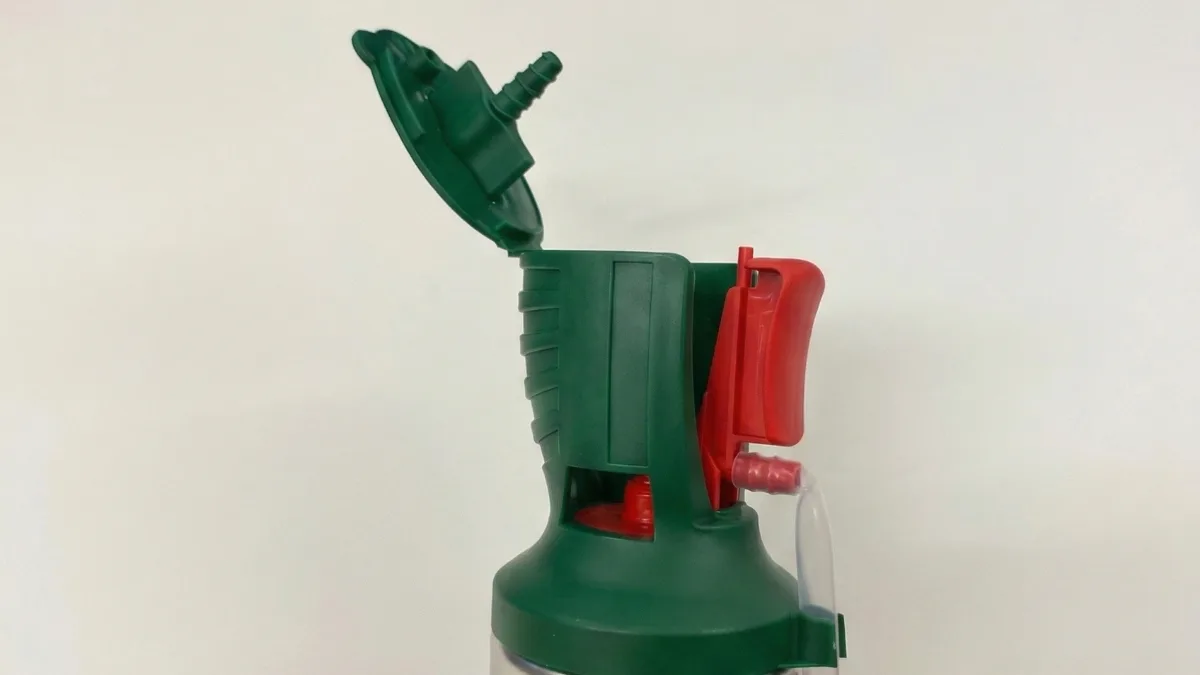
In one of our developments, for example, we replaced the previous fully plastic packaging with a solution using three different materials: metal, paper, and plastic components.
The key advantage is that the components can be separated quickly and cleanly. This allowed us to make a plastic packaging solution 76% recyclable that was previously non-recyclable due to contamination.
Don’t wait until the last minute: the earlier you start, the bigger your advantage in 2030
The examples above show that there are multiple ways to achieve PPWR compliance. At the same time, it is essential to recognise that whichever option is most practical, development takes time: design, testing, approvals, production line modifications, and ramp-up are all time-consuming.
In the best-case scenario, a new packaging process can reach production within a year, but development can also take several years.
That is why it is worth starting development now for the technology that must be in place from 1 January 2030. This way, you can be confident that by the time PPWR takes effect, you will have your best solution ready. And if you achieve a suitable solution earlier, you will still have time to refine it further, for higher quality and more cost-efficient production.
Rely on our 30 years of experience: let’s develop together
Every product’s packaging is unique, so each case needs a tailored solution. With 30 years of experience in plastics processing and packaging material manufacturing, we can solve many challenges quickly, and our development engineers are ready for new ones as well.
Whether we develop a new product for you by introducing new materials or technologies, upgrading and expanding our existing production lines, or delivering a completely new investment, we always focus on finding the best, most cost-effective solution for our customers and partners.
Don’t leave it to the last minute. Start your PPWR preparation now, and make sure your solution is ready for 2030.
Don’t risk your market position. Request a consultation with our experts, and let’s start working together.